
What It’s Really Like to Trek to Everest Base Camp: A Day-by-Day Reflection
31 Jul 2025
Trekking to Everest Base Camp (EBC) is not just a physical journey, but an emotional and mental expedition into the hear...
Nepal is a trekker’s paradise, offering some of the most breathtaking landscapes on Earth—from snow-covered Himalayan peaks to lush green valleys and traditional mountain villages. But when it comes to planning your trek, timing is everything. The country experiences a variety of climatic conditions throughout the year, and each season offers a unique experience. Whether you're a seasoned mountaineer or a first-time hiker, choosing the right time to trek can significantly impact the comfort, safety, and overall success of your adventure.
At Mountain Holiday Treks & Expedition, we understand how critical it is to align your trekking goals with the ideal season. Our expert team has spent years guiding adventurers through every corner of Nepal—from the popular Everest and Annapurna regions to off-the-beaten-path destinations. In this guide, we break down the best times to go trekking in Nepal and what each season offers, so you can make the most of your Himalayan journey.
Why Timing Matters: Planning Your Trek in Nepal
Planning a trek in Nepal without considering the season can lead to unexpected challenges—from unpredictable weather to blocked mountain passes. The Himalayas are majestic, but they're also harsh and remote. Trekking during the wrong time of year can result in poor visibility, dangerous trail conditions, or even trip cancellations. That’s why understanding Nepal’s seasonal patterns is the first step in crafting a successful trekking itinerary.
For instance, during the monsoon season (June to August), many trails become slippery and landslide-prone, while winter (December to February) can bring heavy snowfall, closing high passes like Thorong La or Cho La. By aligning your trek with Nepal's ideal seasons—usually spring (March to May) and autumn (September to November)—you maximize your chances for good weather, clear skies, and safe, enjoyable hiking conditions. Mountain Holiday Treks & Expedition offers expert advice and real-time updates to ensure your journey is both memorable and well-timed.
Understanding Nepal’s Trekking Seasons
Nepal experiences four distinct trekking seasons, each with its own pros and cons. Spring (March–May) is one of the most popular times to trek, thanks to its warm temperatures and vibrant flora. Rhododendron forests burst into bloom, and mountain views are often spectacular. Spring is also a great time for high-altitude treks, with relatively stable weather in regions like Everest, Langtang, and Annapurna.
Autumn (September–November), however, is widely regarded as the best season for trekking in Nepal. The monsoon rains clear the dust and pollution from the air, offering crystal-clear skies and panoramic Himalayan views. Temperatures are moderate, and the trails are dry and safe. It’s also the time of major festivals like Dashain and Tihar, giving trekkers a chance to experience Nepalese culture along the way. At Mountain Holiday Treks & Expedition, we help clients plan for both the highlights and the challenges of each season, ensuring a personalized and safe trekking experience.
Spring or Autumn? Comparing Nepal’s Best Trekking Months
If you’re torn between trekking in spring or autumn, you’re not alone—both seasons offer incredible experiences. Spring (March to May) is ideal for nature lovers. The trails are adorned with blossoming rhododendrons, magnolias, and wildflowers. Wildlife is more active, and the days gradually warm up as you move from March to May. However, as the season progresses, haze and occasional clouds may start to obscure some views, especially in lower elevations.
Autumn (September to November), on the other hand, is favored for its consistently clear skies, excellent visibility, and pleasant daytime temperatures. After the monsoon season, the air is clean, and the landscapes appear lush and rejuvenated. This is the peak season for trekking, so while the views are unmatched, the trails—especially in popular regions like Everest and Annapurna—can get crowded. At Mountain Holiday Treks & Expedition, we help trekkers weigh their priorities, whether it’s solitude and flowers in spring or unbeatable views and cultural immersion in autumn.
Weather Patterns and Trekking Conditions by Season
Nepal’s diverse topography and altitude variations create distinct weather patterns throughout the year, each influencing trekking conditions differently. The country’s trekking seasons are primarily shaped by the monsoon cycle, temperature fluctuations, and altitude-specific climate zones. During the spring (March to May) and autumn (September to November) seasons, the weather is generally stable, with clear skies, moderate temperatures, and minimal precipitation. This makes trekking comfortable and safe, with excellent visibility for mountain vistas. Spring is especially noted for its blooming rhododendrons and lush greenery, while autumn boasts crisp air and panoramic Himalayan views after the monsoon’s cleansing rains.
In contrast, the summer monsoon season (June to August) brings heavy rainfall, landslides, and muddy, slippery trails that can disrupt trekking plans. The humidity is high, and mountain views are often obscured by clouds and mist. Trekking during this time is less common and suited mainly for experienced trekkers prepared for tough conditions. The winter season (December to February) introduces cold temperatures and snowfall, especially at higher elevations. Many high passes become inaccessible, but lower altitude treks remain possible, offering solitude and snowy landscapes for those prepared for the chill. At Mountain Holiday Treks & Expedition, we guide trekkers in choosing the best season based on their preferences, fitness levels, and desired trekking routes to ensure a rewarding experience.
Month-by-Month Guide to Trekking in Nepal
Planning a trek with a month-by-month perspective can help adventurers choose the optimal window for their trip. January and February are the coldest months, with snow blanketing high-altitude trails like Everest Base Camp and Annapurna Circuit, making these months best suited for lower elevation routes such as the Ghorepani Poon Hill trek. March to May (spring) is one of the most popular trekking periods, with warming temperatures, blossoming flowers, and generally clear skies. It’s perfect for high-altitude treks and offers a mix of nature and culture.
June to August (monsoon season) is the wettest and hottest time, where many trekking routes become hazardous due to landslides and slippery paths. However, the monsoon season sees fewer tourists, so some adventurous trekkers prefer this time for off-the-beaten-path experiences with lush landscapes. September to November (autumn) is the peak trekking season, offering cool, dry weather and exceptional mountain views. The trails are bustling, but this is when Nepal’s natural beauty is at its finest. December marks the start of winter trekking, with fewer crowds and stunning snow-capped scenery, ideal for those prepared for colder conditions. Mountain Holiday Treks & Expedition customizes itineraries depending on the month to help clients make the most of Nepal’s seasonal variations.
High vs. Low Season: What to Expect
Understanding the difference between Nepal’s high and low trekking seasons is crucial for planning your adventure. The high season—primarily spring and autumn—is when the weather is at its most favorable, attracting the largest influx of trekkers. Trails during these months are well-maintained, teahouses are fully operational, and the chances of clear mountain views are highest. However, with popularity comes crowds, especially on iconic routes like the Everest Base Camp and Annapurna Circuit. Accommodation prices may be higher, and you might need to book your trek months in advance to secure your preferred dates.
Conversely, the low season—monsoon and winter—offers a different kind of trekking experience. Trails are quieter, and trekkers can enjoy solitude and unique natural sights, like vibrant monsoon flora or serene snow-covered villages. However, the low season also comes with challenges: the monsoon brings rain and slippery paths, while winter presents cold temperatures and closed passes at higher altitudes. For those seeking budget-friendly trekking or less crowded trails, the low season can be appealing. Mountain Holiday Treks & Expedition provides expert advice and support year-round, helping trekkers navigate the pros and cons of each season to plan a safe, enjoyable trip.
Best Time to Visit Everest Base Camp
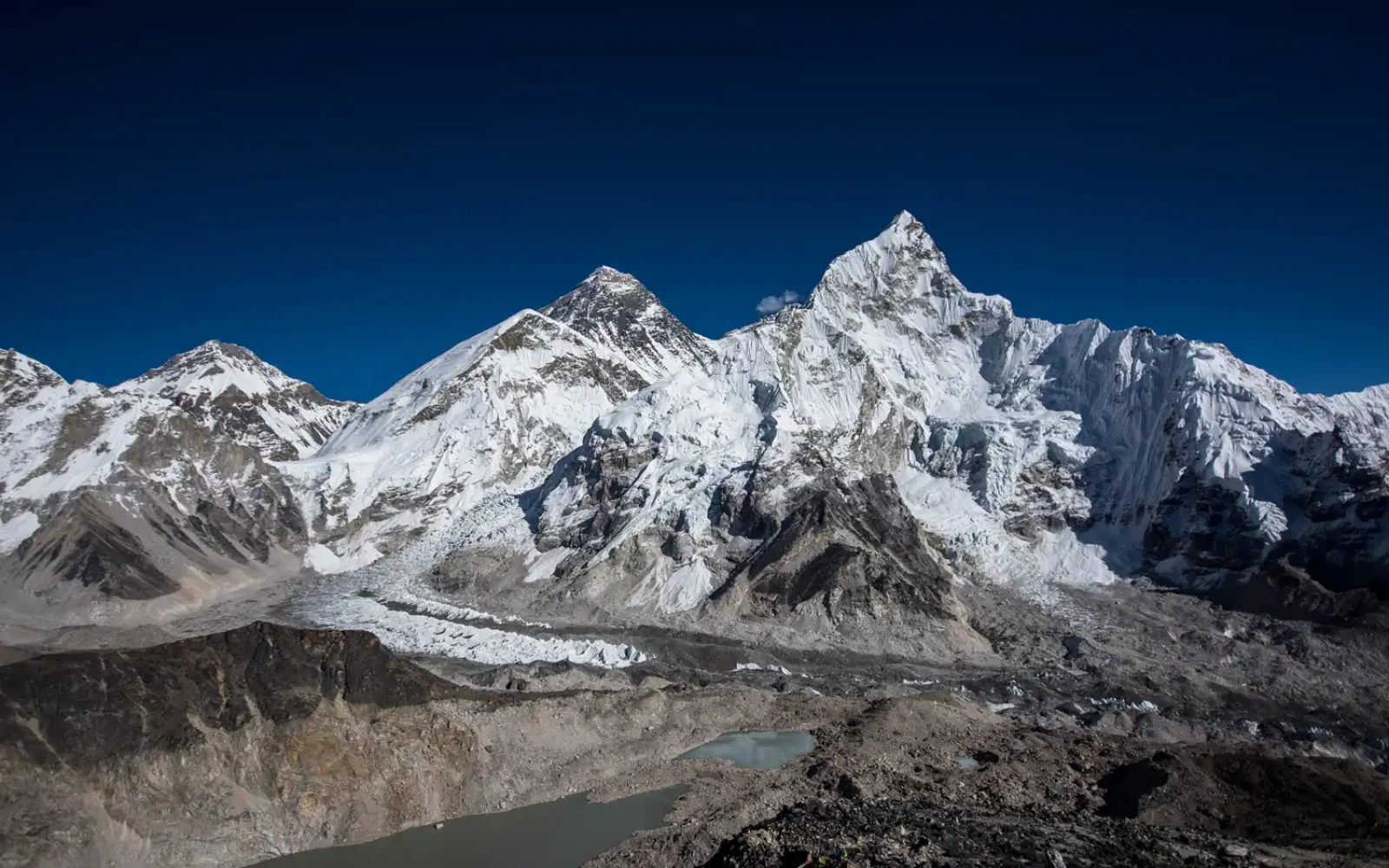
The Everest Base Camp trek is one of the world’s most iconic journeys, but timing your trek is vital to maximize your experience. The best months to visit Everest Base Camp are during the spring (March to May) and autumn (September to November) trekking seasons. In spring, the weather warms, rhododendron forests bloom, and snow starts melting from the passes, making the trails more accessible. The mountain views are stunning, though haze may begin to build in late spring. Autumn, however, is the most popular time for Everest treks, with consistently clear skies, crisp air, and dry trails, offering unparalleled views of Everest, Lhotse, and other Himalayan giants.
Winter trekking to Everest Base Camp is possible but requires preparation for freezing temperatures and potential snow blockages, especially above Namche Bazaar. The monsoon months are generally avoided due to heavy rainfall, poor visibility, and increased risk of landslides. At Mountain Holiday Treks & Expedition, our guides have deep knowledge of the Everest region and provide up-to-date weather insights, ensuring trekkers can choose the perfect time to safely enjoy the majesty of the Himalayas.
When to Trek the Annapurna Circuit for the Best Views
The Annapurna Circuit is one of Nepal’s most celebrated trekking routes, renowned for its diverse landscapes, cultural richness, and panoramic mountain vistas. To witness the Circuit in its full glory, timing your trek is essential. The best months for trekking the Annapurna Circuit are during the spring (March to May) and autumn (September to November) seasons. In spring, you’ll be treated to blooming rhododendrons and lush green valleys, which add vibrant colors to the already stunning mountain backdrop. The temperatures are moderate, and the air is relatively clear, allowing trekkers spectacular views of Annapurna I, Dhaulagiri, Machapuchare, and other towering peaks.
Autumn, however, is considered by many as the prime trekking season for the Annapurna Circuit. After the monsoon rains, the atmosphere is crisp and clean, providing unmatched clarity in the skies. This is when the Himalayan giants reveal themselves in sharp detail, making for unforgettable sunrise and sunset panoramas. While autumn trails can be busier due to the influx of trekkers, the experience of trekking amidst pleasant weather and breathtaking scenery is truly rewarding. At Mountain Holiday Treks & Expedition, we recommend planning your Annapurna Circuit trek during these windows to maximize the natural beauty and trekking conditions.
Off-Season Trekking: Pros, Cons, and What You’ll Need
While the spring and autumn seasons are popular for trekking in Nepal, the off-season months (monsoon and winter) also hold their own unique appeal, especially for adventurers seeking solitude and a different kind of Himalayan experience. Trekking during the monsoon season (June to August) can be challenging due to heavy rainfall, slippery trails, and the risk of landslides. However, this time brings lush landscapes, vibrant forests, and fewer tourists. For those willing to brave the wet conditions, the monsoon offers a quieter, more intimate connection with nature, away from the crowded trails.
Winter trekking (December to February) offers crisp, clear skies and a peaceful atmosphere, but cold temperatures and snow at higher elevations require proper gear and experience. Trails at very high altitudes like Thorong La Pass may be inaccessible due to snow closures. Proper preparation, warm clothing, and flexibility in your itinerary are essential for off-season trekking. At Mountain Holiday Treks & Expedition, we provide expert advice and customized support to help you safely enjoy trekking during Nepal’s less popular months, highlighting the pros and cons so you can choose what suits your style best.
Festival Treks: Combining Culture and Adventure in Nepal
Nepal’s trekking routes are not just about mountains; they’re also gateways to rich cultural experiences. Timing your trek to coincide with local festivals can enhance your adventure by immersing you in Nepal’s vibrant traditions and celebrations. Festivals such as Dashain (September-October), Tihar (October-November), and Holi (March) offer trekkers the chance to witness colorful rituals, traditional music, dance, and communal feasts in mountain villages along popular trekking routes.
Festival treks provide a unique blend of cultural insight and physical challenge, allowing you to connect deeply with the people and their way of life. During these periods, teahouses and villages come alive with festivities, making the trekking experience even more memorable. However, trekking during festivals can also mean busier trails and less availability in accommodations, so early planning is advised. Mountain Holiday Treks & Expedition specializes in organizing trekking itineraries that align with these cultural events, ensuring you enjoy both adventure and authentic Nepali celebrations safely and comfortably.
Tips for Avoiding Crowds During Peak Trekking Times
Nepal’s peak trekking seasons—spring and autumn—draw large numbers of travelers from around the world, especially on popular routes like Everest Base Camp and Annapurna Circuit. If you prefer a quieter trek with fewer crowds but still want to enjoy favorable weather, strategic planning is key. One effective tip is to start your trek early in the morning or later in the day to avoid peak trail times when most trekkers are on the move. Additionally, opting for less popular trailheads or alternative routes can help you escape the busiest sections while still experiencing the region’s beauty.
Another way to avoid crowds is to trek during shoulder months, such as late February or early June, when weather conditions are still decent but tourist numbers are lower. Traveling with a smaller group or hiring a private guide through Mountain Holiday Treks & Expedition can also offer flexibility and access to quieter lodges and villages. With expert local knowledge, we help you discover hidden gems and peaceful trekking paths, ensuring a more intimate and serene Himalayan experience even during the busiest seasons.



