
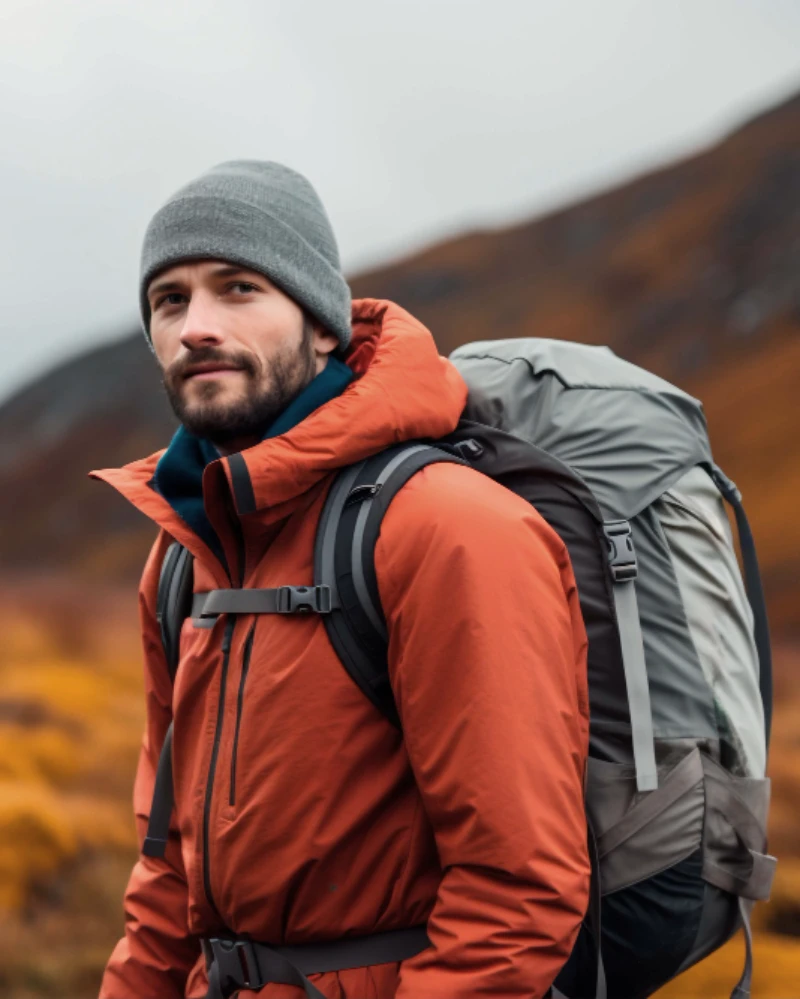
What It’s Really Like to Trek to Everest Base Camp: A Day-by-Day Reflection
31 Jul 2025
Trekking to Everest Base Camp (EBC) is not just a physical journey, but an emotional and mental expedition into the hear...
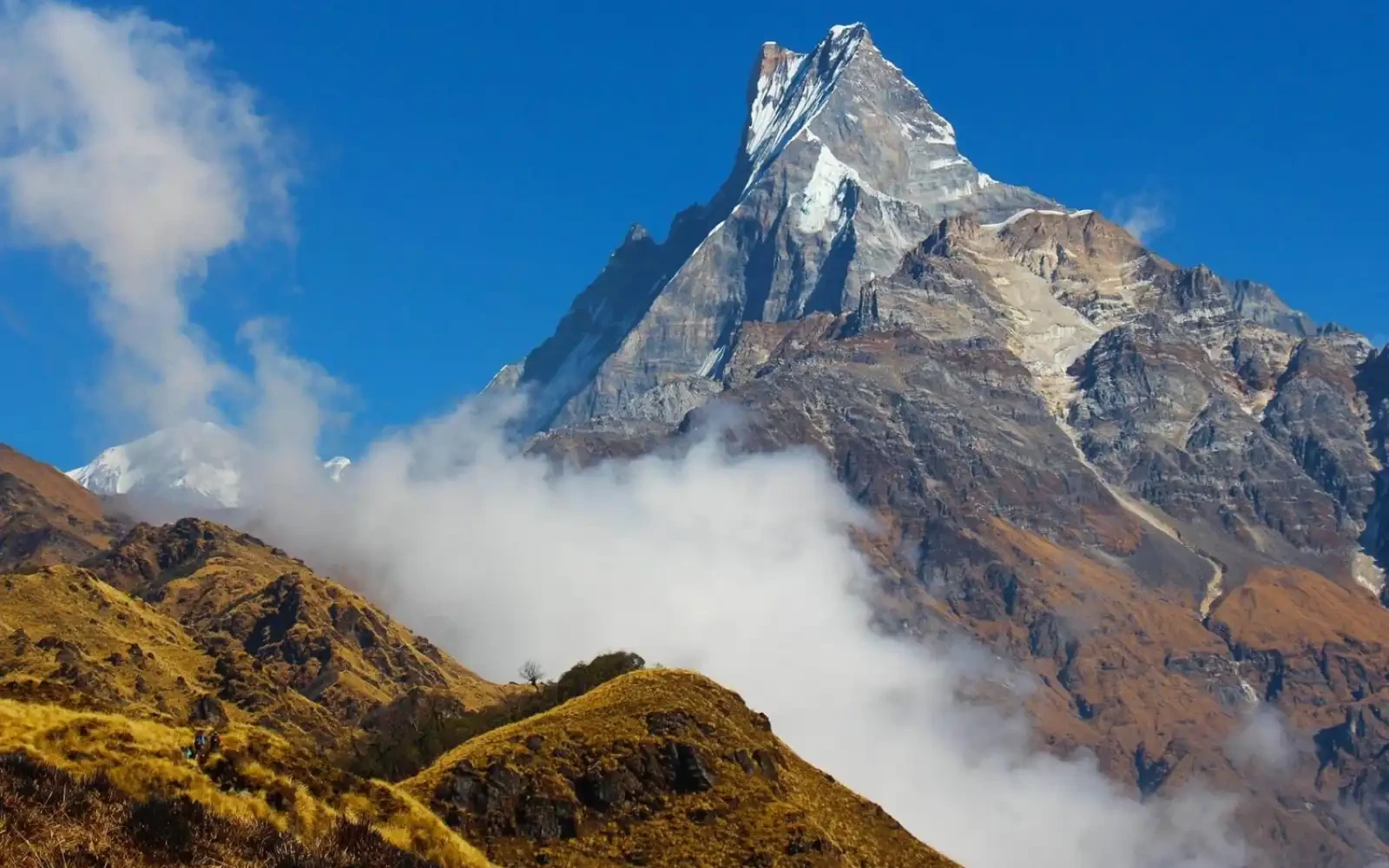
Nepal is a dream destination for trekking enthusiasts, offering breathtaking landscapes, vibrant cultures, and challenging trails that weave through the heart of the Himalayas. At Mountain Holiday Treks & Expedition, we understand that embarking on a trekking adventure in Nepal requires more than just enthusiasm—it demands careful planning, physical readiness, and respect for the environment and local customs. Whether you’re planning to conquer the iconic Everest Base Camp, explore the Annapurna Circuit, or venture into less-traveled paths, the right preparation can make all the difference between an unforgettable journey and a difficult experience.
This guide presents the top 10 essential trekking tips for your Nepal adventure, designed to help you stay safe, comfortable, and fully immersed in the wonders of this majestic region. From understanding the importance of physical preparation to packing the right gear and mastering acclimatization techniques, Mountain Holiday Treks & Expedition aims to equip you with practical knowledge and confidence before you set foot on Nepal’s rugged trails. Your adventure starts with preparation—let us guide you through the must-knows for a successful trek.
Why Preparation is Key for Trekking in Nepal
Preparation is the cornerstone of a successful trekking experience in Nepal’s challenging mountainous terrain. The unpredictable weather, varying trail difficulties, and high-altitude conditions demand that trekkers come fully prepared both physically and mentally. Mountain Holiday Treks & Expedition emphasizes that proper preparation not only helps prevent common trekking ailments like altitude sickness and injuries but also enhances your overall enjoyment of the journey. Training your body ahead of time with cardio exercises, strength training, and endurance hikes can significantly improve your ability to handle long days on the trail and steep ascents.
Beyond physical fitness, preparation involves research and planning—understanding the route, knowing what to expect in terms of climate and terrain, and being aware of cultural norms and environmental conservation practices. A well-prepared trekker carries essential documents, ensures adequate insurance coverage, and understands emergency protocols. With Mountain Holiday Treks & Expedition’s expert advice and logistical support, you can approach your Nepal trek with confidence and peace of mind, knowing you’re ready for whatever the trail brings.
Essential Gear You Must Pack for Nepal Treks
Packing the right gear is vital to your comfort and safety while trekking in Nepal’s often harsh and variable mountain environment. Mountain Holiday Treks & Expedition recommends investing in high-quality, lightweight, and layered clothing to adapt to fluctuating temperatures—from chilly mornings to warm afternoons and cold nights. Essential clothing includes moisture-wicking base layers, insulating mid-layers like fleece or down jackets, and waterproof outer layers to shield you from rain or snow. Don’t forget sturdy, broken-in hiking boots that provide ankle support and grip, as well as good quality trekking poles to reduce strain on your knees during steep descents.
In addition to clothing, several gear items are crucial for a successful trek. A durable backpack with rain cover, a reliable sleeping bag rated for cold temperatures, headlamps with spare batteries, and water purification methods are all recommended. Sun protection such as sunglasses, sunscreen, and a wide-brimmed hat is also necessary to combat the intense high-altitude sun. Mountain Holiday Treks & Expedition ensures trekkers are well-informed about gear essentials and provides packing checklists tailored to specific trekking routes, helping you avoid overpacking or missing critical items.
How to Acclimatize Properly in the Himalayas
Proper acclimatization is essential to avoid altitude sickness and enjoy your trekking experience in the Himalayas safely. Mountain Holiday Treks & Expedition stresses the importance of allowing your body adequate time to adjust to decreasing oxygen levels as you ascend. This process typically involves ascending slowly, incorporating rest days, and listening carefully to your body’s signals. Many trekking itineraries include strategic acclimatization stops at key villages or lodges, allowing trekkers to gradually adapt to higher altitudes without rushing, which significantly reduces the risk of acute mountain sickness.
In addition to pace, staying well-hydrated, eating nutritious meals, and avoiding alcohol or strenuous activity on rest days are key practices for successful acclimatization. Mountain Holiday Treks & Expedition also advises trekkers to be vigilant about symptoms such as headaches, nausea, dizziness, and fatigue, which can indicate altitude sickness. Should symptoms worsen, descending immediately is critical. Our guides are trained to monitor trekkers and provide assistance, ensuring your health and safety remain a priority throughout your Himalayan adventure.
Choosing the Right Trekking Route for Your Skill Level
Choosing the right trekking route is a crucial step to ensuring that your Nepal adventure is both enjoyable and safe. Nepal offers a wide range of trekking routes, from moderate day hikes to challenging multi-day expeditions at high altitudes. At Mountain Holiday Treks & Expedition, we help trekkers assess their fitness levels, trekking experience, and personal preferences to recommend routes that suit their abilities. For beginners, popular trails like the Ghorepani Poon Hill or the lower regions of the Annapurna Circuit offer stunning scenery without extreme physical demands. More experienced trekkers might prefer the demanding Everest Base Camp trek or the remote Dolpo region for a true Himalayan challenge.
Matching the trek to your skill level not only improves your enjoyment but also minimizes risks such as altitude sickness, exhaustion, and injury. Factors such as elevation gain, daily walking distances, and the availability of rest days are all considered when choosing your route. Mountain Holiday Treks & Expedition’s expert guides provide personalized advice and tailor itineraries to ensure that you are both challenged and comfortable. This careful planning guarantees you get the most from your trek while staying safe and motivated throughout the journey.
Staying Healthy and Safe While Trekking in Nepal
Maintaining your health and safety during a trek in Nepal is paramount, especially given the remote and sometimes unpredictable nature of the mountain environment. Mountain Holiday Treks & Expedition places a strong emphasis on educating trekkers about the importance of proper hydration, balanced nutrition, and adequate rest. Drinking plenty of purified water and consuming high-energy foods can help sustain your stamina and aid acclimatization. Additionally, trekkers should prioritize hygiene, washing hands frequently and avoiding unsafe food or water sources to prevent common illnesses such as diarrhea.
Safety also involves preparation and awareness of the environment. Mountain Holiday Treks & Expedition advises trekkers to pack a comprehensive first aid kit, understand altitude sickness symptoms, and travel with experienced guides familiar with emergency procedures. Trekking permits, proper insurance, and communication devices are all part of our safety protocol. Furthermore, we encourage trekkers to pace themselves and never hesitate to turn back if their health is compromised. By following these guidelines, you can protect your wellbeing and make your trek in Nepal a rewarding and safe adventure.
Navigating Weather Changes During Your Trek
Weather in the Nepalese Himalayas can change rapidly and dramatically, making it essential for trekkers to be prepared for varying conditions at different altitudes. Mountain Holiday Treks & Expedition educates trekkers on the importance of monitoring weather forecasts and being flexible with trekking schedules to avoid hazardous conditions such as heavy snow, rainstorms, or extreme cold. The best trekking seasons—spring (March to May) and autumn (September to November)—offer more stable weather, but even then, sudden temperature drops or storms are possible.
Dressing in layers and carrying waterproof gear are key strategies we recommend to help trekkers adapt to changing weather. Layering allows you to add or remove clothing easily as temperatures fluctuate during the day or when transitioning between altitude zones. Our guides also advise trekkers on recognizing signs of weather changes early and making prudent decisions such as taking shelter or altering routes when necessary. By staying prepared and adaptable, you can navigate Nepal’s diverse climates safely and comfortably with Mountain Holiday Treks & Expedition.
Tips for Respecting Local Culture and Environment
Respecting the local culture and environment is an integral part of any trek in Nepal and enhances the authenticity of your experience. Mountain Holiday Treks & Expedition encourages trekkers to engage with local communities respectfully by learning about their customs, traditions, and religious practices. Simple gestures like greeting with a “Namaste,” dressing modestly, and asking permission before photographing people can go a long way in building positive connections. Supporting local businesses by purchasing handmade crafts or eating in village teahouses also helps sustain the local economy and fosters goodwill.
Environmental responsibility is equally important. Nepal’s fragile mountain ecosystems are vulnerable to damage from tourism. Mountain Holiday Treks & Expedition advocates for “Leave No Trace” principles—carrying out all trash, minimizing use of plastic, staying on marked trails, and avoiding disturbance to wildlife. Our team also educates trekkers about the impact of waste disposal and promotes the use of reusable water bottles and eco-friendly products. By trekking mindfully, you contribute to preserving Nepal’s natural beauty and cultural heritage for future generations to enjoy.
How to Budget Your Trekking Trip in Nepal
Budgeting effectively for your trekking adventure in Nepal is essential to ensure a smooth and enjoyable experience without unexpected financial stress. At Mountain Holiday Treks & Expedition, we advise trekkers to consider all potential costs well in advance, including permits, transportation, accommodation, food, gear rental or purchase, guide and porter fees, and emergency funds. Trekking permits such as the TIMS card and national park fees are mandatory for many routes and vary depending on the region and length of your trek. Factoring these into your budget helps avoid last-minute surprises.
Moreover, Nepal offers a range of trekking options to suit different budgets. While you can trek independently on a shoestring, opting for a guided package with Mountain Holiday Treks & Expedition provides added safety, convenience, and local insight—often at reasonable rates. Choosing lodges or teahouses over camping reduces equipment costs but slightly increases accommodation expenses. Additionally, budgeting for tips for guides and porters is customary and a sign of appreciation for their hard work. Planning your finances thoughtfully allows you to relax and focus on the stunning landscapes and rich culture Nepal has to offer.
Best Practices for Hiring Guides and Porters
Hiring experienced guides and porters is one of the smartest decisions you can make when trekking in Nepal, and Mountain Holiday Treks & Expedition is committed to ensuring that all staff are well-trained, fair-minded, and ethically treated. A knowledgeable guide enhances your trek by sharing local history, culture, and natural information while helping you navigate difficult terrain safely. Porters provide invaluable support by carrying heavy loads, allowing you to conserve energy and focus on enjoying the trek. When hiring through a reputable company like Mountain Holiday Treks & Expedition, you can be confident that your guide and porter have received proper training and fair wages.
It is important to treat your guides and porters with respect and kindness throughout the journey. Clear communication about workload, rest days, and tips fosters a positive relationship. Mountain Holiday Treks & Expedition follows strict ethical standards, ensuring porters have safe working conditions and adequate equipment, such as good-quality boots and warm clothing. We encourage trekkers to express gratitude and tip fairly according to their satisfaction. By hiring guides and porters responsibly, you contribute to the local economy and help promote sustainable trekking practices that benefit both visitors and communities.
What to Expect from Nepal’s Mountain Lodges and Teahouses
Nepal’s mountain lodges and teahouses are unique and charming accommodations that provide a comfortable and authentic trekking experience. Unlike hotels in urban areas, these lodges are often family-run and built with traditional materials, nestled in small villages along trekking routes. At Mountain Holiday Treks & Expedition, we prepare trekkers for the cozy but basic amenities typically found in teahouses—shared dormitory or private rooms, simple bedding, and communal bathrooms. Hot showers and Wi-Fi may be available but are usually limited and may require additional fees.
The heart of the teahouse experience lies in its warmth and hospitality. These lodges offer hearty local and western meals, with menus adapted to the needs of trekkers needing high-energy food. Sitting in the common dining area by a wood stove, sharing stories with fellow trekkers and locals, creates a welcoming atmosphere and cultural exchange. While comforts are modest, Mountain Holiday Treks & Expedition ensures that you stay in clean and well-maintained lodges along your route. Understanding what to expect helps you pack appropriately and embrace the simplicity and spirit of Nepal’s trekking hospitality.
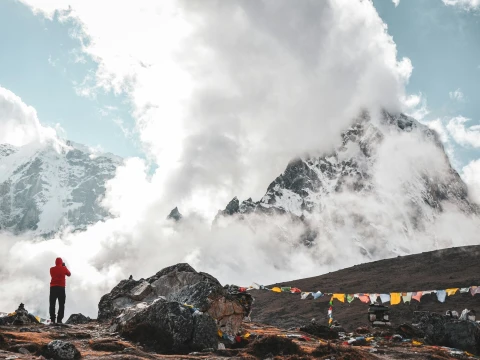
Trekking to Everest Base Camp (EBC) is not just a physical journey, but an emotional and mental expedition into the hear...
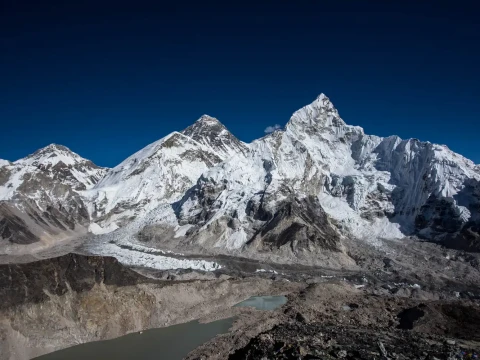
Nepal is a trekker’s paradise, offering some of the most breathtaking landscapes on Earth—from snow-covered Himalayan pe...



