Bookings are currently open for the 2025/2026 season. Book Now
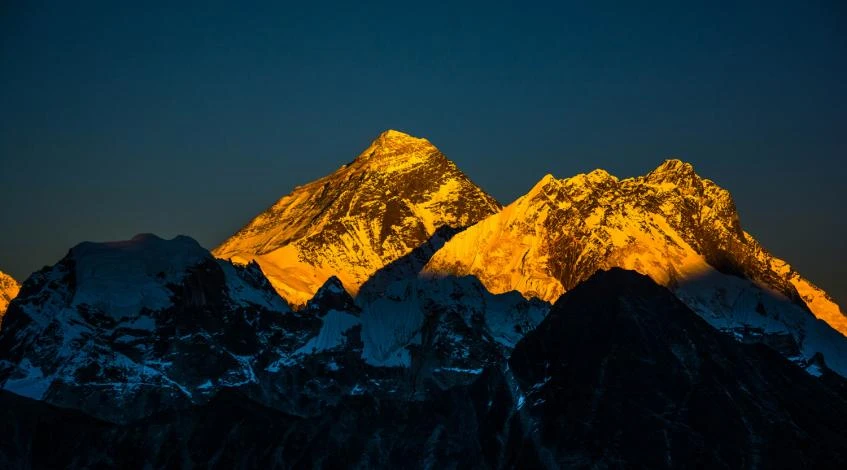
Everest Panorama Trekking is a delightful short trek in the Everest region that provides an excellent opportunity to witness the majesty of Mount Everest and surrounding Himalayan peaks without going to higher altitudes like Everest Base Camp. This trek is often referred to as the "Everest View Trek" because of the sweeping vistas of the snow-covered giants like Mt. Everest (8,848m), Lhotse, Ama Dablam, Thamserku, Nuptse, and others that accompany trekkers throughout the journey.
Organized by Mountain Holiday Treks & Expedition, this trek is ideal for those with limited time or who prefer a less strenuous adventure in the Himalayas. Along with the mountain views, the route offers authentic cultural experiences in the Sherpa villages, visits to monasteries like Tengboche Monastery, and peaceful walks through forests of rhododendron and pine. It's a trek where cultural richness, natural beauty, and comfort all come together.
Best Time for Everest Panorama Trekking
The best seasons for Everest Panorama Trek are:
Everest Panorama Trekking Difficulty
This trek is categorized as moderate. Although there is no need for technical climbing, trekkers should be in good health and have some level of physical fitness. The trek goes up to 3,870m at Tengboche, which poses less risk of altitude sickness compared to treks reaching Everest Base Camp. Daily walking hours range from 4 to 7 hours on well-maintained trails.
It is suitable for:
Food & Accommodation
During the trek, you’ll stay in local teahouses, which offer simple yet comfortable lodging. Rooms are generally twin-shared, and toilets may be shared as well. In Kathmandu, you’ll stay in a comfortable 3-star hotel (upgradeable upon request).
Meals during the trek include:
Vegetarian options are readily available. Clean drinking water is available for purchase, and we recommend using purification tablets or filters.
Why Choose Everest Panorama Trekking?
Trekking Grade: Moderate – suitable for trekkers with basic fitness; no prior high-altitude experience required.
Max Altitude: 3,870m at Tengboche – lower risk of altitude sickness, but proper acclimatization is still important.
Flight Delays: Lukla flights are weather-dependent; delays/cancellations may occur—extra buffer days are recommended.
Accommodation: Basic teahouses/lodges during trek; standard hotels in Kathmandu.
Luggage: Pack light; porter weight limit is 10–12 kg per trekker.
Connectivity: Limited Wi-Fi and mobile network in trekking areas; carry cash (no ATMs beyond Namche).
Insurance: Comprehensive travel insurance including emergency helicopter evacuation is mandatory.
Respect Local Culture: Follow local customs and preserve the environment—“Leave No Trace” principles encouraged.
Upon your arrival at Tribhuvan International Airport in Kathmandu, a friendly representative from Mountain Holiday Treks & Expedition will be there to greet you with a warm Nepali welcome. You will then be transferred to your hotel in a private vehicle, giving you your first glimpse of Nepal’s bustling capital city. After check-in, the rest of the day is free for you to relax and recover from your long journey. Depending on your arrival time, you can take a short stroll around the nearby streets or rest at the hotel. The evening is typically kept flexible, but we may hold a short briefing session regarding the trek. Dinner can be enjoyed at the hotel or at a traditional Nepali restaurant. Overnight in Kathmandu.
Today begins with an early morning transfer to the domestic airport for a scenic flight to Lukla, the gateway to the Everest region. The 35-minute flight offers breathtaking views of snow-capped peaks and lush valleys. Upon arrival in Lukla (2,840m), you’ll meet the rest of your trekking crew, including porters and assistants. After a short break and final gear check, we begin our trek toward Phakding. The trail descends gently through pine forests, crosses several suspension bridges over the Dudh Koshi River, and passes small villages and mani stones. It’s a relatively easy day to help you get used to the elevation. Phakding, situated along the river, is a peaceful place to spend the night. Overnight in a teahouse in Phakding.
After breakfast, we begin our trek to the bustling Sherpa town of Namche Bazaar. The trail continues along the Dudh Koshi River, crossing multiple high suspension bridges, including the iconic Hillary Suspension Bridge. We pass through small settlements like Monjo and Jorsalle, where we will enter the Sagarmatha National Park. From here, the trail becomes steeper as we ascend through pine and rhododendron forests. The final stretch to Namche is challenging but incredibly rewarding, with our first glimpses of Mount Everest on a clear day. Namche Bazaar, a vibrant market town nestled into a hillside, serves as the commercial and cultural hub of the Khumbu region. It is equipped with shops, cafes, bakeries, and even internet facilities. Overnight in Namche Bazaar.
Today is set aside for acclimatization to help your body adjust to the higher altitude. Rather than staying idle, we’ll take a short hike to higher ground. A popular option is the walk to the Everest View Hotel, one of the world’s highest hotels, which offers panoramic views of Everest, Ama Dablam, Lhotse, and Thamserku. This hike helps in acclimatization and also rewards you with amazing scenery. On the way back, we can visit the Sherpa Culture Museum and Sagarmatha National Park Visitor Center in Namche. You may also choose to explore the local markets, relax at a café, or simply enjoy the breathtaking mountain views. This rest day is essential for a successful trek ahead. Overnight in Namche Bazaar.
We start the day with a hearty breakfast before continuing our ascent toward Tengboche, a spiritual center of the Khumbu region. The trail is beautifully scenic, with stunning views of Everest, Nuptse, Lhotse, and the elegant Ama Dablam gracing the horizon. The route first descends to the Dudh Koshi River before a gradual climb through forests of rhododendron and fir. Upon arrival in Tengboche, we visit the famous Tengboche Monastery, the largest in the region. If timing allows, we may witness the monks performing their evening prayers, adding a spiritual touch to the journey. The views from Tengboche are simply majestic, especially during sunset when the mountains glow with golden hues. Overnight in a teahouse in Tengboche.
Wake up early to enjoy the spectacular sunrise over the Himalayan peaks. After soaking in the breathtaking views, we begin our descent back to Namche Bazaar. Retracing our steps, we follow the same trail through alpine forests and across the Dudh Koshi River. The return journey offers a different perspective on the landscapes we've already admired. We may stop for lunch at a scenic viewpoint or small teahouse along the way. Upon arrival in Namche Bazaar, you’ll have time to relax, shop for souvenirs, or simply unwind in one of the local cafés. It’s a comfortable night spent back in the bustling Sherpa town, preparing for the final leg of the trek. Overnight in Namche Bazaar.
Today marks the final day of trekking. We follow the same trail down to Lukla, passing through the familiar landscapes of pine forests, rivers, and small villages. Although it’s mostly downhill, the trek requires careful footing as it can be tough on the knees. We'll stop along the way for lunch and to say goodbye to the majestic scenery that has accompanied us throughout the journey. Upon reaching Lukla, you’ll have time to reflect on the incredible experience with your team. In the evening, we’ll have a celebratory farewell dinner with the porters and trekking crew. This is a great time to share stories and thank the staff for their support. Overnight at a lodge in Lukla.
After an early breakfast, we take a morning flight from Lukla back to Kathmandu, once again enjoying a scenic aerial view of the Himalayas. Upon arrival in Kathmandu, you’ll be transferred to your hotel. The rest of the day is yours to explore at leisure. You can go shopping for souvenirs in Thamel, visit local attractions, or simply relax after the trek. If desired, Mountain Holiday Treks & Expedition can help arrange cultural tours or spa treatments for post-trek rejuvenation. In the evening, you might enjoy a farewell dinner at a traditional Nepali restaurant with live cultural performances. Overnight in Kathmandu.
Your incredible Himalayan journey comes to an end today. Depending on your flight schedule, a representative from Mountain Holiday Treks & Expedition will pick you up from the hotel and transfer you to Tribhuvan International Airport for your onward journey. We hope you leave Nepal with unforgettable memories, new friendships, and a deep appreciation for the mountains and cultures of the Everest region. Thank you for choosing us as your trekking partner. Safe travels and we hope to welcome you again!
Clothing
Handwear
Footwear
Gear
Miscellaneous
The Everest Panorama Trek is a shorter and relatively easier version of the Everest Base Camp trek, designed for those who wish to enjoy the stunning Himalayan landscapes without the physical demands of reaching higher altitudes. The trek takes you up to Tengboche (3,870 meters), offering breathtaking views of Mount Everest, Lhotse, Ama Dablam, and other iconic peaks. It's ideal for beginners, families, older trekkers, or anyone with limited time but who still wishes to experience the essence of trekking in the Everest region.
This trek is considered moderate in difficulty. While no prior trekking experience is mandatory, participants should be in reasonably good physical condition. Daily walks range from 4 to 7 hours over undulating terrain with some steep ascents. Regular cardiovascular exercise and light hiking preparation are recommended before the trip.
The highest point on the Everest Panorama Trek is Tengboche Monastery, which sits at an elevation of 3,870 meters (12,694 feet). Since this is below the altitude where Acute Mountain Sickness (AMS) becomes more serious, the risk is lower compared to higher-altitude treks, but acclimatization is still important and included in the itinerary.
Our comprehensive trekking package includes:
The best seasons for the Everest Panorama Trek are Spring (March to May) and Autumn (September to November). During these periods, the skies are typically clear, temperatures are moderate, and the mountain views are most spectacular. Winter treks (December to February) are possible but colder, while the summer monsoon season (June to August) may bring rain and cloud cover.
In Kathmandu, you’ll stay in comfortable tourist-class hotels. During the trek, accommodation is in traditional teahouses or mountain lodges—modest but cozy. Meals are served fresh and hygienically prepared, with options such as dal bhat (Nepali staple), noodles, soups, pasta, fried rice, pancakes, eggs, and tea or coffee. Vegetarian options are widely available.
Yes, travel insurance is mandatory. Your insurance must cover emergency evacuation, trip cancellation, high-altitude trekking, and medical expenses. In the unlikely event of altitude sickness or injury, helicopter evacuation may be necessary, and insurance will ensure you're covered.
Although the Everest Panorama Trek stays below 4,000 meters, we still take proper acclimatization measures to minimize any risk. A rest day in Namche Bazaar is built into the itinerary for this purpose. Our guides are trained to recognize symptoms of altitude sickness and will take necessary steps if any issues arise. Drinking plenty of water, walking slowly, and avoiding alcohol helps greatly.
A detailed packing list will be provided upon booking, but key essentials include:
Mobile coverage is available in some parts of the trail, particularly in Namche Bazaar. Many teahouses also offer paid Wi-Fi, though the signal may be weak and unreliable in remote areas. It's a good idea to let loved ones know in advance that connectivity will be limited.
To ensure personalized attention and a more enjoyable experience, we maintain small group sizes, typically between 2 to 10 people. Private treks for individuals or custom groups can also be arranged upon request.
Mountain Holiday Treks & Expedition is a locally based, fully licensed trekking agency with decades of experience in Himalayan adventures. We are known for our dedicated customer service, ethical trekking practices, and experienced local guides. Safety, comfort, and memorable experiences are our top priorities. We also ensure fair treatment and insurance coverage for all our staff, including porters.